-1.png)
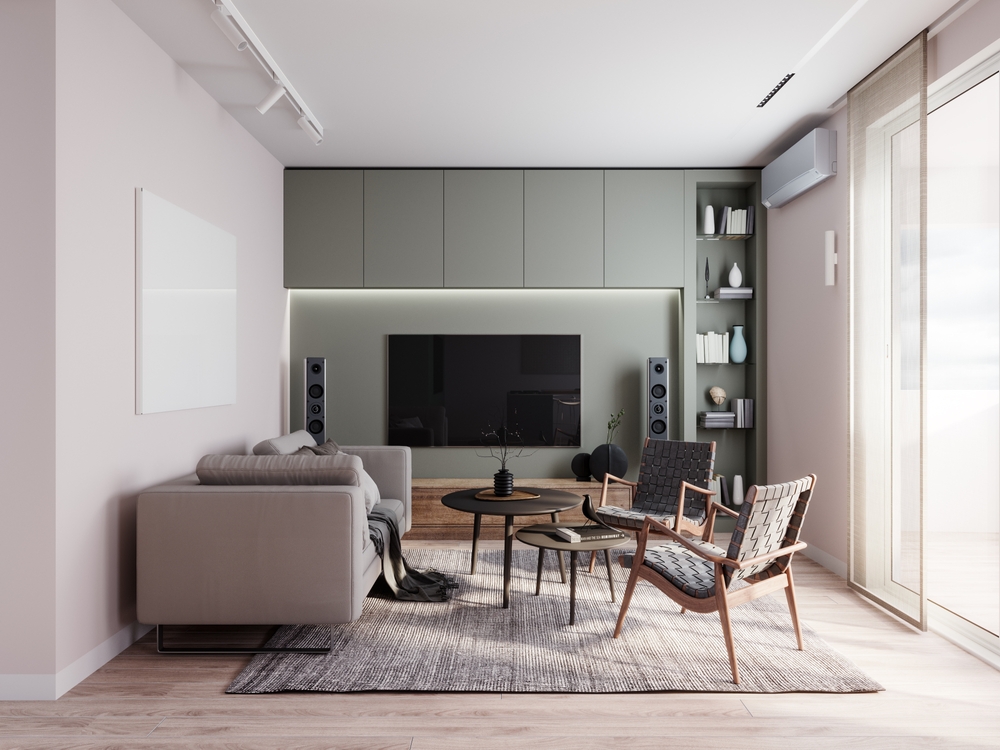
If you’ve been searching second storey additions Sydney, you’ve probably already bumped into the same problem every Sydney homeowner hits: the answers online are either marketing fluff or builder jargon. You want to know what it actually costs, what council will let you do, and whether your existing house can even hold a second floor. That’s what this guide covers.
At T3 Interior, we design and build second storey additions across Sydney, from federation cottages in the Inner West to weatherboard homes on the North Shore and brick-veneer family homes in the Hills District. Book a no-obligation site assessment if you want a builder’s read on your specific home.
What Is a Second Storey Addition?
A second storey addition (also called a 2nd storey addition or first floor addition) is when you build a new upper level on top of your existing single-storey home. Instead of extending out into the backyard, you go up. Sydney homeowners reach for this option when:
- The block is too narrow or too small for a meaningful ground floor extension
- The backyard is non-negotiable (kids, pool, entertaining space)
- Council setbacks or easements rule out a sideways or rear extension
- The house has decent bones but is short two or three bedrooms
- The view, light, or breeze is better at first floor level
A typical second storey addition delivers three to four new bedrooms, a master suite with ensuite and walk-in robe, a study or rumpus, and sometimes a second living area, all on the new upper level.
How Much Does a Second Storey Addition Cost in Sydney?
Realistic Sydney pricing in 2026:
- Lightweight (timber frame) second storey addition: $4,200 to $5,800 per square metre
- Traditional (brick veneer) second storey addition: $5,500 to $7,500 per square metre
- Premium finishes, full master suite, complex roof line: $7,500 to $9,500 per square metre
For a typical 90 to 110 square metre upper level, that puts most Sydney second storey additions in the $420,000 to $850,000 range, fully built. Add another $40,000 to $80,000 for design fees, engineering, council approvals, and contingencies.
What pushes the cost up:
- Existing footings need underpinning or strengthening
- Load-bearing walls need new steel beams to carry the upper level
- Existing roof has to come off completely (and you need temporary weather protection)
- Stairwell location requires reworking the ground floor layout
- Heritage overlay or character area (more documentation, longer approval)
Council Approval: DA vs CDC for a Second Storey
Most second storey additions in Sydney go through one of two pathways:
Complying Development Certificate (CDC)
Faster (often 20 to 28 days) but only available if your project meets every standard in the State Environmental Planning Policy. For a second storey, that usually means staying within strict height limits (typically 8.5m), maintaining minimum side and rear setbacks, and not being in a heritage conservation area. CDC works for clean, rectangular blocks with no overlay restrictions.
Development Application (DA)
Required when your design needs flexibility on setbacks, height, floor space ratio, or when you’re in a heritage area. Realistic DA timeline in most Sydney councils right now is 4 to 8 months, longer if there are objections or referrals to a planning panel.
Practical advice: don’t fall in love with a design before you understand your site’s planning controls. We’ve seen homeowners spend $30,000 on architectural drawings only to discover the height non-compliance forces a redesign.
Can Your House Actually Take a Second Storey?
This is the question every honest builder asks first. Three things determine the answer:
- Footings and slab. Older homes (pre 1980s) often have shallow strip footings that weren’t designed for two storeys. A structural engineer needs to test bearing capacity. Sometimes underpinning is straightforward; sometimes it’s a deal breaker.
- Wall construction. Single-skin brick or unreinforced masonry walls usually need significant strengthening or a full steel frame to carry an upper floor. Brick veneer with a timber frame inside is generally easier to extend upward.
- Roof and ceiling structure. Trussed roofs are designed not to carry load from above. Cut and fit (rafter and ceiling joist) construction gives more flexibility but still needs engineering review.
Before you commit to a design, get a structural engineer to walk the house and write a feasibility report. Budget $1,500 to $3,500 for this. It’s the cheapest insurance you can buy on a second storey project.
Design Decisions That Make or Break a Second Storey
1) Staircase Location
The staircase is the single most disruptive design decision. It eats into ground floor space, dictates how the upper floor flows, and affects natural light. Common locations:
- Central hallway (traditional, easy to integrate, can darken the entry)
- Rear of the home next to the kitchen (frees up the front, but loses living space)
- Internal courtyard or above the garage (clever on tight blocks, costs more)
2) Master Suite Placement
Most Sydney second storey additions place the master suite at the rear (for privacy and quiet) or at the front (for street views and morning light). Either works, but the bathroom plumbing should sit above an existing wet area downstairs. Stacking wet areas saves $8,000 to $15,000 in plumbing.
3) Roof Form
The roof line you choose changes the entire street presence of the home. Hip roof matches most Sydney brick homes naturally; gable end works well on weatherboard and federation styles; skillion or low-pitch contemporary suits modernist additions but can fail height limits if you’re not careful.
4) Insulation and Acoustics
First-floor bedrooms get hot fast in Sydney summers. Don’t skimp on roof insulation (R5.0 minimum) and reflective sarking. Between-floor acoustic insulation matters too, especially if you’re putting bedrooms above living areas.
Lightweight vs Traditional Construction
For most Sydney second storey additions, lightweight timber frame with cladding is the practical choice:
- Lower load on existing footings (often avoids underpinning)
- Faster build time (often 6 to 10 weeks once weather-tight)
- Easier to integrate visually with cladding, render, or feature timber
- Lower cost per square metre
Traditional brick veneer second storeys are still done, especially when matching an existing brick ground floor for resale value, but they cost more, take longer, and require more structural work below.
Realistic Timeline for a Sydney Second Storey Addition
- Concept design and feasibility: 4 to 6 weeks
- Detailed design and documentation: 6 to 10 weeks
- Council approval (CDC): 4 to 6 weeks
- Council approval (DA): 4 to 8 months
- Construction: 5 to 8 months
Total project from first conversation to handover: 12 to 20 months for most CDC projects, longer for DA. Plan accordingly, especially if you’re trying to time the build around school terms or rental arrangements.
Living Through It: Stay or Move Out?
The honest answer for second storey additions: most families move out for at least the period when the existing roof is off (typically 6 to 12 weeks). After that, with proper temporary protection and dust control, staying in the ground floor is usually workable. Budget $400 to $800 per week for short-term rental in most Sydney suburbs and factor it into the project cost.
Common Mistakes Sydney Homeowners Make
- Designing the upper floor first, ignoring the ground floor impact. A new staircase can wreck a perfectly good kitchen layout.
- Underestimating engineering costs. Footings and structural strengthening can add $40,000 to $90,000 if the existing house wasn’t designed for it.
- Choosing the cheapest builder for a complex second storey. The cost saving disappears the first time something needs to be redone.
- Stacking bedrooms over living areas without acoustic treatment. You’ll regret it on the first Saturday morning.
- Skipping the energy assessment until late. BASIX requirements can force material changes after design is locked in.
How T3 Interior Approaches Second Storey Additions
We treat every second storey project as a structural problem first and a design problem second. Our process:
- On-site feasibility walkthrough (free, no obligation)
- Structural engineer engagement and footings assessment
- Concept design with rough cost banding
- Detailed design and documentation, costed line by line
- Council pathway recommendation (CDC or DA)
- Construction with a single point of contact and weekly site reports
Whether your home is a single-storey weatherboard in Marrickville, a brick veneer in Castle Hill, or a 1960s ranch in Lane Cove, the engineering reality changes but the principles don’t.
Ready to See If a Second Storey Addition Works for Your Home?
Start with a site walkthrough. We’ll tell you straight whether the structure will take it, what your council pathway looks like, and roughly what budget you’ll need. Get in touch with T3 Interior to book a free no-obligation assessment.
Related reading: Home Additions Sydney: Costs, Types and What to Expect in 2026 and Home Additions and Extensions services overview.